

Metal Density Chart: Steel & Aluminum
Density of Metals: Steel, Aluminum, Iron & More
What Is the Density of Metal?
Density is a fundamental property in materials science, physics, and engineering. It measures the compactness of a material’s mass within a given volume.
Density is defined as mass per unit volume and is expressed in kilograms per cubic meter (kg/m³) or grams per cubic centimeter (g/cm³).
For metals and alloys, density directly affects material selection, application suitability, and performance across industries.
The density of metals and alloys reflects their atomic structure and bonding. Metals consist of closely packed atoms with a sea of delocalized electrons that enable their high conductivity. The nature of metallic bonding, combined with the size and mass of the constituent atoms and the efficiency of their packing, determines the metal’s density. Alloys, through the introduction of additional elements into the base metal, can exhibit densities that differ from those of their pure metal counterparts, depending on the type and proportion of alloying elements.
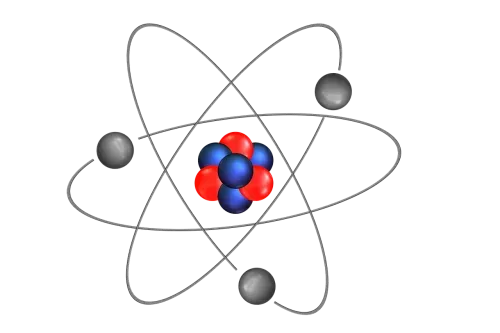 Density of Metals Atomic Structure
Metals exhibit a broad range of densities. At the low end, lithium has a density of approximately 0.534 g/cm³, low enough to float on water. At the high end, osmium is the densest naturally occurring element at about 22.59 g/cm³. Alloys, which are mixtures of metals and other elements engineered to improve properties such as strength, corrosion resistance, or fabricability, show similarly varied densities.
Metals Density Calculation Formula
The formula for calculating density (ρ) is:
ρ = m / V
where “m” represents mass, and V denotes volume.
Despite its simplicity, this equation conveys significant information about a material’s structure, composition, and potential applications.
Density is a fundamental property that influences material characteristics and applications across engineering disciplines. From design to fabrication, density considerations affect the performance, durability, and environmental impact of metal and alloy-based products. As materials science advances and atomic-level engineering improves, targeted manipulation of density will continue to enable new material innovations.
Relevance of Metal Density
Knowing a metal’s density provides practical information about its properties and suitability for specific applications. Density data supports material selection, design decisions, and application feasibility assessments.
Here are several aspects that can be deduced from a metal’s density:
Material Selection
Density is a determining factor in material selection, particularly for weight-sensitive applications in aerospace, automotive, and consumer electronics. The choice between aluminum and titanium for aircraft components, for example, depends on balancing density with strength, cost, and performance (this ratio is called “Strength-to-Weight Ratio,” a concept widely used in the automotive industry as well).
Design Considerations
Engineers must account for material density when designing products and structures to ensure they withstand operational stresses while maintaining efficiency. High-density materials may be preferred for their inherent weight and stability, while low-density materials are suited for lightweight construction.
Thermal and Electrical Performance
While not directly proportional, density can influence a material’s thermal and electrical conductivities. Metals with high electron mobility, which depends partly on atomic arrangement and therefore density, typically exhibit good conductivity.
Corrosion Resistance
Density is not a direct indicator of corrosion resistance, but it can serve as a starting reference. Metals with higher densities often have compact atomic structures that may resist corrosion better in certain environments.
Wear and Durability
In certain applications, a metal’s density can indicate its wear resistance and durability under specific operating conditions, particularly for parts subjected to friction and abrasion.
Material Identification
Density can help identify a metal or distinguish between two similar-looking materials, since each metal has a characteristic density.
Fabrication and Machinability
A metal’s density influences fabrication and machining processes. Heavier metals may require more energy to machine, weld, or form compared to lighter ones.
Cost and Availability
Denser metals, especially those that are rare or difficult to extract, tend to be more expensive. Density data helps with preliminary cost estimation during material selection.
Environmental and Economic Impact
Metal density affects sustainability and recyclability. High-density materials may require more energy to extract, refine, and process, but they can offer longer service lives and better recyclability, affecting overall environmental footprint.
Innovative Applications
Controlling the density of alloys allows engineers to create materials with tailored properties for advanced applications, from superalloys that withstand extreme temperatures in jet engines to lightweight alloys for electric vehicle batteries.
Metals Density Chart
Key Metals
The table below lists densities for commonly used metals in piping, structural steel, and related products. To estimate the weight of an item made from a specific material, based on its weight in carbon steel, multiply the nominal carbon steel weight by the density ratio relative to steel (for example, if a 4” Class 150 Threaded Flange in Carbon Steel weighs 3 kilograms, the corresponding flange in Copper will weigh 3 × 1.14 kg):
| Metal | Density (g/cm³) | Density vs. Steel |
|---|---|---|
| Steel | 7.85 | 1 |
| Iron | 7.85 | 1.00 |
| Aluminum | 2.73 | 0.35 |
| Brass | 8.5 | 1.08 |
| Chromium | 7.19 | 0.92 |
| Copper | 8.94 | 1.14 |
| Gold | 19.3 | 2.46 |
| Lead | 11.3 | 1.44 |
| Magnesium | 1.74 | 0.22 |
| Mercury | 13.6 | 1.73 |
| Nickel | 8.9 | 1.13 |
| Platinum | 21.4 | 2.73 |
| Silver | 10.5 | 1.34 |
| Sodium | 0.97 | 0.12 |
| Tin | 7.28 | 0.93 |
| Zinc | 7.14 | 0.91 |
All Key Metals, Alloys, and Elements
The table shows the density of the most common metals, alloys, and elements in kgs/m3 and in Lbs/ft3:
| Metal/Alloy/Element | Density in kilograms per m3 | Density in Pounds per ft3 |
|---|---|---|
| Actinium | 10070 | 629 |
| Admiralty Brass | 8525 | 532 |
| Aluminum | 2712 | 169 |
| Aluminum - melted | 2560 - 2640 | 160 - 165 |
| Aluminum alloy - 1100 | 2720 | 170 |
| Aluminum alloy - 6061 | 2720 | 170 |
| Aluminum alloy - 7050 | 2800 | 175 |
| Aluminum alloy - 7178 | 2830 | 177 |
| Aluminum alloy 2014, annealed | 2800 | 175 |
| Aluminum alloy 3003, rolled | 2730 | 170 |
| Aluminum alloy 360 | 2640 | 165 |
| Aluminum bronze (3-10% Al) | 7700 - 8700 | 481- 543 |
| Aluminum foil | 2700 -2750 | 169 - 172 |
| Antifriction metal | 9130 -10600 | 570-662 |
| Antimonial lead (hard lead) | 10900 | 680 |
| Antimony | 6690 | 418 |
| Babbitt | 7272 | 454 |
| Barium | 3594 | 224 |
| Beryllium | 1840 | 115 |
| Beryllium copper | 8100 - 8250 | 506 - 515 |
| Bismuth | 9750 | 609 |
| Brass - casting | 8400 - 8700 | 524- 543 |
| Brass - rolled and drawn | 8430 - 8730 | 526 - 545 |
| Brass 60/40 | 8520 | 532 |
| Bronze - lead | 7700 - 8700 | 480- 543 |
| Bronze - phosphorous | 8780 - 8920 | 548 - 557 |
| Bronze (8-14% Sn) | 7400 - 8900 | 462 - 556 |
| Brushed metal | 7860 | 491 |
| Cadmium | 8640 | 539 |
| Cesium | 1873 | 117 |
| Calcium | 1540 | 96 |
| Cast iron | 6800 - 7800 | 425 - 487 |
| Cerium | 6770 | 423 |
| Chemical Lead | 11340 | 708 |
| Chromium | 7190 | 449 |
| Cobalt | 8746 | 546 |
| Columbium | 8600 | 537 |
| Constantan | 8920 | 557 |
| Constantan | 8880 | 554 |
| Copper | 8940 | 558 |
| Cupronickel | 8908 - 8940 | 556 - 558 |
| Delta metal | 8600 | 537 |
| Duralumin | 2790 | 174 |
| Dysprosium | 8550 | 534 |
| Electrum | 8400 - 8900 | 524 - 555 |
| Erbium | 9070 | 566 |
| Eroded metal | 7860 | 491 |
| Europium | 5243 | 327 |
| Gadolinium | 7900 | 493 |
| Gallium | 5907 | 369 |
| Germanium | 5323 | 332 |
| Gold | 19320 | 1206 |
| Hafnium | 13310 | 831 |
| Hastelloy C | 8940 | 558 |
| Holmium | 8800 | 549 |
| Incoloy | 8027 | 501 |
| Inconel | 8497 | 530 |
| Indium | 7310 | 456 |
| Iridium | 22650 | 1414 |
| Iron | 7850 | 490 |
| Lanthanum | 6145 | 384 |
| Lead | 11340 | 708 |
| Light alloy based on Al | 2560 - 2800 | 160 - 175 |
| Light alloy based on Mg | 1760 - 1870 | 110-117 |
| Lithium | 534 | 33 |
| Lutetium | 9840 | 614 |
| Magnesium | 1738 | 108 |
| Magnesium alloy AZ31B | 1770 | 110 |
| Manganese | 7440 | 464 |
| Manganese Bronze | 8359 | 522 |
| Manganin | 8500 | 531 |
| Mercury | 13593 | 849 |
| Molybdenum | 10188 | 636 |
| Monel | 8360 - 8840 | 522 - 552 |
| Neodymium | 7007 | 437 |
| Neptunium | 20200 | 1261 |
| Nichrome | 8400 | 524 |
| Nickel | 8908 | 556 |
| Nickel 20 | 8090 | 505 |
| Nickel 200 | 8890 | 555 |
| Nickel silver | 8400 - 8900 | 524 - 556 |
| Nickeline | 8770 | 547 |
| Nimonic | 8100 | 506 |
| Niobium | 8570 | 535 |
| Osmium | 22610 | 1411 |
| Palladium | 12160 | 759 |
| Phosphor bronze | 8900 | 556 |
| Platinum | 21400 | 1336 |
| Plutonium | 19816 | 1237 |
| Polonium | 9200 | 574 |
| Potassium | 890 | 56 |
| Praseodymium | 6770 | 423 |
| Promethium | 7260 | 453 |
| Protactinium | 15400 | 961 |
| Radium | 5000 | 312 |
| Red Brass | 8746 | 546 |
| Rhenium | 20800 | 1299 |
| Rhodium | 12400 | 774 |
| Rubidium | 1530 | 96 |
| Ruthenium | 12100 | 755 |
| Samarium | 7520 | 469 |
| Scandium | 2990 | 187 |
| Silver | 10490 | 655 |
| Sodium | 971 | 61 |
| Solder 50/50 Pb Sn | 8885 | 555 |
| Stainless Steel 304/L | 7930 | 495 |
| Stainless Steel 316/L | 8000 | 499 |
| Steel | 7850 | 490 |
| Strontium | 2640 | 165 |
| Tantalium | 16400 | 1024 |
| Technetium | 11000 | 687 |
| Terbium | 8230 | 514 |
| Thallium | 11800 | 737 |
| Thorium | 11700 | 730 |
| Thulium | 9320 | 582 |
| Tin | 7280 | 454 |
| Titanium | 4500 | 281 |
| Tungsten | 19600 | 1224 |
| Uranium | 18900 | 1180 |
| Vanadium | 5494 | 343 |
| White metal | 7100 | 443 |
| Wrought Iron | 7750 | 484 |
| Yellow Brass | 8470 | 529 |
| Ytterbium | 6900 | 431 |
| Yttrium | 4470 | 279 |
| Zinc | 7135 | 445 |
| Zirconium | 6570 | 410 |
Ranking by Density (Highest to Lowest)
The table shows that Californium is the highest-density material, while Hydrogen is the lowest:
| Density | Name | Symbol | Rank |
|---|---|---|---|
| 15.1 g/cc | Californium | Cf | 98 |
| 14.78 g/cc | Berkelium | Bk | 97 |
| 13.5 g/cc | Curium | Cm | 96 |
| 13.67 g/cc | Americium | Am | 95 |
| 19.84 g/cc | Plutonium | Pu | 94 |
| 20.2 g/cc | Neptunium | Np | 93 |
| 18.95 g/cc | Uranium | U | 92 |
| 15.4 g/cc | Protactinium | Pa | 91 |
| 11.724 g/cc | Thorium | Th | 90 |
| 10.07 g/cc | Actinium | Ac | 89 |
| 5.5 g/cc | Radium | Ra | 88 |
| 9.73 g/L | Radon | Rn | 86 |
| 9.3 g/cc | Polonium | Po | 84 |
| 9.75 g/cc | Bismuth | Bi | 83 |
| 11.35 g/cc | Lead | Pb | 82 |
| 11.85 g/cc | Thallium | Tl | 81 |
| 13.546 g/cc | Mercury | Hg | 80 |
| 19.32 g/cc | Gold | Au | 79 |
| 21.45 g/cc | Platinum | Pt | 78 |
| 22.4 g/cc | Iridium | Ir | 77 |
| 22.6 g/cc | Osmium | Os | 76 |
| 21.04 g/cc | Rhenium | Re | 75 |
| 19.35 g/cc | Tungsten | W | 74 |
| 16.65 g/cc | Tantalum | Ta | 73 |
| 13.31 g/cc | Hafnium | Hf | 72 |
| 9.84 g/cc | Lutetium | Lu | 71 |
| 6.9 g/cc | Ytterbium | Yb | 70 |
| 9.32 g/cc | Thulium | Tm | 69 |
| 9.07 g/cc | Erbium | Er | 68 |
| 8.8 g/cc | Holmium | Ho | 67 |
| 8.55 g/cc | Dysprosium | Dy | 66 |
| 8.23 g/cc | Terbium | Tb | 65 |
| 7.895 g/cc | Gadolinium | Gd | 64 |
| 5.24 g/cc | Europium | Eu | 63 |
| 7.52 g/cc | Samarium | Sm | 62 |
| 7.3 g/cc | Promethium | Pm | 61 |
| 7.01 g/cc | Neodymium | Nd | 60 |
| 6.77 g/cc | Praseodymium | Pr | 59 |
| 6.77 g/cc | Cerium | Ce | 58 |
| 6.15 g/cc | Lanthanum | La | 57 |
| 3.59 g/cc | Barium | Ba | 56 |
| 1.873 g/cc | Cesium | Cs | 55 |
| 5.9 g/L | Xenon | Xe | 54 |
| 4.93 g/cc | Iodine | I | 53 |
| 6.24 g/cc | Tellurium | Te | 52 |
| 6.684 g/cc | Antimony | Sb | 51 |
| 7.31 g/cc | Tin | Sn | 50 |
| 7.31 g/cc | Indium | In | 49 |
| 8.65 g/cc | Cadmium | Cd | 48 |
| 10.5 g/cc | Silver | Ag | 47 |
| 12.02 g/cc | Palladium | Pd | 46 |
| 12.41 g/cc | Rhodium | Rh | 45 |
| 12.37 g/cc | Ruthenium | Ru | 44 |
| 11.5 g/cc | Technetium | Tc | 43 |
| 10.22 g/cc | Molybdenum | Mo | 42 |
| 8.57 g/cc | Niobium | Nb | 41 |
| 6.51 g/cc | Zirconium | Zr | 40 |
| 4.47 g/cc | Yttrium | Y | 39 |
| 2.54 g/cc | Strontium | Sr | 38 |
| 1.63 g/cc | Rubidium | Rb | 37 |
| 3.75 g/L | Krypton | Kr | 36 |
| 3.119 g/cc | Bromine | Br | 35 |
| 4.79 g/cc | Selenium | Se | 34 |
| 5.72 g/cc | Arsenic | As | 33 |
| 5.323 g/cc | Germanium | Ge | 32 |
| 5.907 g/cc | Gallium | Ga | 31 |
| 7.13 g/cc | Zinc | Zn | 30 |
| 8.96 g/cc | Copper | Cu | 29 |
| 8.9 g/cc | Nickel | Ni | 28 |
| 8.9 g/cc | Cobalt | Co | 27 |
| 7.874 g/cc | Iron | Fe | 26 |
| 7.43 g/cc | Manganese | Mn | 25 |
| 7.19 g/cc | Chromium | Cr | 24 |
| 6.11 g/cc | Vanadium | V | 23 |
| 4.54 g/cc | Titanium | Ti | 22 |
| 2.99 g/cc | Scandium | Sc | 21 |
| 1.55 g/cc | Calcium | Ca | 20 |
| 0.862 g/cc | Potassium | K | 19 |
| 1.7824 g/L | Argon | Ar | 18 |
| 3.214 g/L | Chlorine | Cl | 17 |
| 2.07 g/cc | Sulfur | S | 16 |
| 1.82 g/cc | Phosphorus | P | 15 |
| 2.33 g/cc | Silicon | Si | 14 |
| 2.702 g/cc | Aluminum | Al | 13 |
| 1.738 g/cc | Magnesium | Mg | 12 |
| 0.971 g/cc | Sodium | Na | 11 |
| 0.9 g/L | Neon | Ne | 10 |
| 1.696 g/L | Fluorine | F | 9 |
| 1.429 g/L | Oxygen | O | 8 |
| 1.2506 g/L | Nitrogen | N | 7 |
| 2.26 g/cc | Carbon | C | 6 |
| 2.34 g/cc | Boron | B | 5 |
| 1.848 g/cc | Beryllium | Be | 4 |
| 0.534 g/cc | Lithium | Li | 3 |
| 0.1785 g/L | Helium | He | 2 |
| 0.0899 g/L | Hydrogen | H | 1 |
Leave a Comment
Have a question or feedback? Send us a message.