

Steel Corrosion
Steel Corrosion
What Is Steel?
Steel is an alloy primarily composed of iron, with a carbon content between 0.02% and 2.14% by weight, along with other elements such as manganese, chromium, vanadium, and tungsten, depending on the desired properties. It is one of the world’s most key engineering and construction materials due to its high tensile strength and low cost.
The properties of any steel grade depend on its chemical composition and heat treatment. Adding chromium produces stainless steel; adding molybdenum improves resistance to pitting corrosion; adding nickel stabilizes the austenitic structure and improves toughness. Every alloying decision is ultimately a trade-off between cost, strength, fabricability, and corrosion resistance.
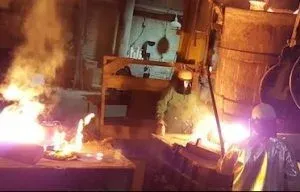 steel casting
The Basics of Steel Corrosion
Definition of Corrosion
Despite its strengths, steel’s Achilles’ heel is corrosion. This deterioration occurs when iron in steel interacts with environmental oxygen and moisture, leading to the formation of iron oxide, known as rust. This oxidation process results in rusting, rendering the steel brittle and compromising its structural integrity over time. Corrosion impacts all steel-made products, diminishing their utility and longevity.
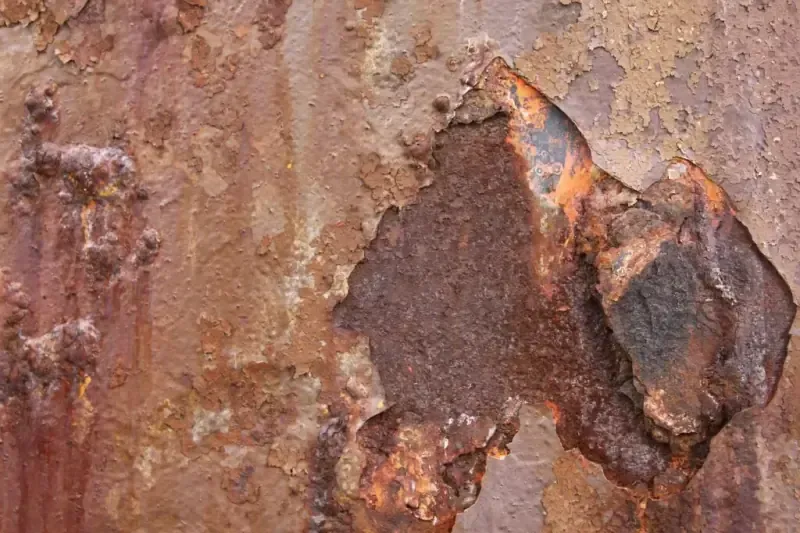 rust
rust
Several factors can contribute to the corrosion of steel.
One of the most important factors is the type of steel. Different types of steel have different levels of corrosion resistance, depending on the elements that are used to create the steel. For example, stainless steel is highly resistant to corrosion because it contains a high level of chromium, which forms a thin, protective layer on the surface of the steel. On the other hand, carbon steel is more susceptible to corrosion because it does not contain enough chromium to form a protective layer.
Another factor that can contribute to steel corrosion is the presence of certain chemicals and pollutants in the environment. Certain chemicals, such as sulfuric acid and hydrochloric acid, can react with the surface of the steel, causing it to corrode. Similarly, exposure to pollutants such as salt, oil, and grease can also lead to corrosion.
Other factors that can affect corrosion include:
-
Temperature: Elevated temperatures increase the corrosion rate by enhancing electrochemical reactions. Both excessive heat and thermal cycling can accelerate deterioration.
-
Environment: Proximity to materials containing chloride ions (concrete, salt spray) accelerates corrosion. Marine environments with high salinity and acidic industrial atmospheres are particularly aggressive.
Why and How Corrosion Happens?
Steel corrosion happens through an electrochemical process where the iron in the steel reacts with oxygen and moisture in the environment to form iron oxide, commonly known as rust. The presence of electrolytes, such as salt in water, accelerates this process by increasing the conductivity of the water, facilitating the flow of electrical charges between iron atoms and oxygen.
Factors That Trigger Corrosion
The factors that trigger the corrosion of steel are:
-
Presence of Water and Oxygen: Both elements are required for the corrosion process. Oxygen reacts with iron to form iron oxides, while water acts as a medium that facilitates this reaction.
-
Electrochemical Nature: Steel contains iron, which, when exposed to an electrolytic environment, tends to lose electrons (oxidize) and form positively charged iron ions. These ions react with oxygen and return to their oxide state as part of the corrosion process.
-
Environmental Factors: The rate of corrosion is influenced by factors such as acidity (pH levels), temperature, and the presence of salts or chemicals, which can accelerate the corrosion process.
How Corrosion Happens
-
Anodic and Cathodic Sites: On the metal surface, microscopic anodic and cathodic sites form. At anodic sites, iron atoms lose electrons and become iron ions. These electrons travel to cathodic sites, where they combine with oxygen and water to form hydroxide ions.
-
Formation of Iron Oxide: The iron ions from the anodic sites react with the hydroxide ions at cathodic sites to form iron oxide (rust).
-
Propagation: The corrosion process continues as long as there is a supply of oxygen and moisture, and the electrochemical cells can sustain themselves.
General Measures to Mitigate Corrosion
To prevent or slow down steel corrosion, several methods can be employed:
-
Coatings: Protective coatings such as paint, galvanization (zinc coating), or plating create a physical barrier that isolates the steel from the environment.
-
Use of corrosion-resistant alloys: some materials, such as stainless steel, contain chromium that forms a protective oxide layer that inhibits corrosion
-
Cathodic Protection: By making the steel the cathode of an electrochemical cell (either by using a sacrificial anode or applying a direct current), the corrosion process is diverted away from the steel to the anode.
-
Corrosion Inhibitors: Chemicals that slow down the corrosion process can be added to the environment or applied to the steel surface.
-
Environmental Control: Reducing exposure to corrosive elements, such as by controlling humidity or using dehumidifiers, can also help prevent corrosion.
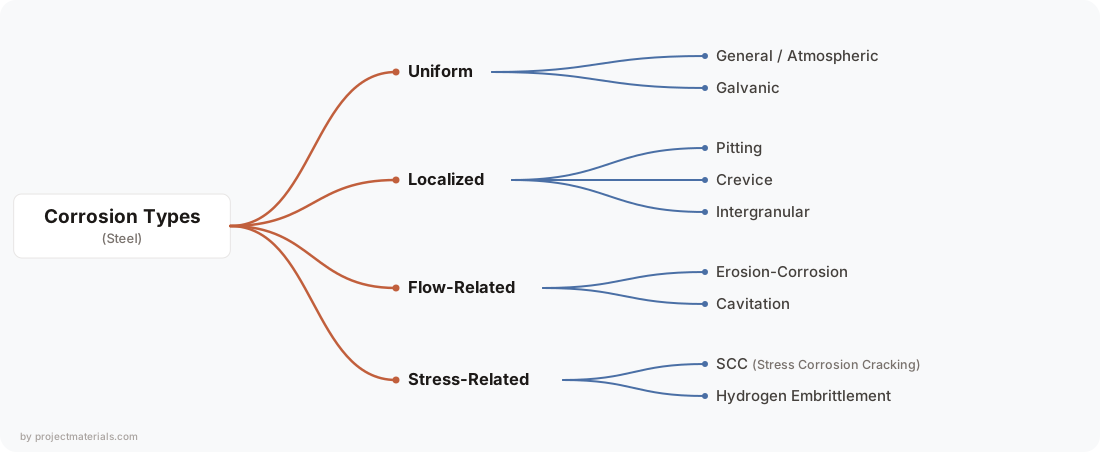
Types of Steel Corrosion
The main types of steel corrosion are:
| Type | Description |
|---|---|
| Galvanic | Electrochemical reaction between two dissimilar metals in an electrolyte. Causes accelerated corrosion or pitting. |
| Stress Corrosion Cracking | Cracking caused by tensile stress combined with a corrosive environment. Common in pipelines under thermal cycling. |
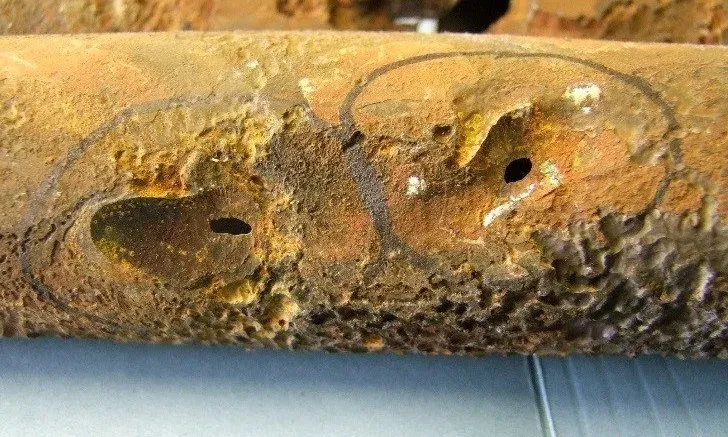
| Pitting | Localized attack creating small holes. Caused by chlorides, H₂S, or acidic contaminants in soil/groundwater. |
| Electrolytic | Occurs when electric current flows through moisture-containing soil with salt ions, causing progressive material loss. |
| Uniform (Rusting) | Iron reacts with oxygen and moisture forming Fe₂O₃ (rust). Spreads evenly across exposed surfaces. |
Corrosion of Steel Pipes
Corrosion of steel pipes occurs through an electrochemical process where the iron in the steel reacts with oxygen and moisture in the environment, leading to the formation of iron oxides, commonly known as rust.
This process not only weakens the structural integrity of the pipes but can also compromise the quality of the fluids they carry. Several factors influence the rate and severity of corrosion, including the chemical composition of the fluid inside the pipe, the temperature and pressure conditions, environmental exposure, and the presence of corrosive agents like salts and acids.
Forms of Corrosion in Steel Pipes
-
Uniform Corrosion: Evenly reduces pipe wall thickness, potentially leading to leaks or pipe failure.
-
Pitting Corrosion: Localized attack causing small pits or holes, highly dangerous due to its difficult detection and rapid penetration.
-
Galvanic Corrosion: Occurs when steel pipes are in contact with a more noble metal in the presence of an electrolyte, leading to accelerated corrosion at the contact point.
-
Crevice Corrosion: Develops in shielded areas where stagnant fluid allows corrosive agents to concentrate.
Protective Measures
- Coating:
-
Internal Coatings: Epoxy or ceramic coatings are applied inside the pipes to prevent direct contact between the steel and corrosive fluids.
-
External Coatings: Paints, epoxy coatings, or bituminous coatings are used to shield the external surface of pipes from environmental exposure.
2. Cathodic Protection:
-
Sacrificial Anode Method: Attaching a more anodic metal (like zinc or magnesium) to the pipe. The sacrificial anode corrodes, protecting the steel pipe.
-
Impressed Current Method: An external power source applies a current, making the steel pipe the cathode of an electrochemical cell, thus preventing its corrosion.
3. Material Selection and Design:
-
Choosing corrosion-resistant materials such as stainless steel or alloyed metals for pipes in highly corrosive environments.
-
Designing the system to avoid crevices, allow complete drainage, and minimize areas where corrosive agents can accumulate.
4. Environmental Control:
- Reducing exposure to corrosive environments, such as adjusting the soil chemistry around buried pipes or controlling the quality of the internal fluid to minimize corrosive constituents.
5. Regular Inspection and Maintenance:
- Routine monitoring and maintenance, including the use of corrosion inhibitors, regular cleaning, and replacement of anodic protection elements, help manage corrosion rates and prevent unexpected failures.
Implementing these protective measures requires a thorough understanding of the specific conditions to which the steel pipes are exposed. Combining appropriate material selection, protective coatings, cathodic protection, and regular maintenance significantly extends pipe lifespan and keeps the infrastructure safe and reliable.
Steel Galvanization
Galvanization is a process used to prevent corrosion in steel and iron by coating them with a thin layer of zinc. This protective layer is a barrier that prevents atmospheric oxygen and moisture from coming into direct contact with the metal underneath.
 galvanized pipes
Here’s how galvanization prevents corrosion:
1. Barrier Protection:
- The zinc coating acts as a physical barrier, preventing corrosive substances from reaching the surface of the steel or iron. This barrier significantly reduces the rate of oxidation reactions that lead to corrosion.
2. Cathodic Protection:
- Zinc acts as a barrier and offers cathodic protection. Since zinc is more reactive (anodic) than steel in the galvanic series, it preferentially corrodes, protecting the steel from corrosion. This means that even if the coating is scratched or damaged, exposing the steel, the zinc nearby will continue to corrode in place of the steel.
3. Zinc Oxide Layer Formation:
- When zinc is exposed to the atmosphere, it reacts with oxygen (and to some extent, carbon dioxide) to form a thin, dense layer of zinc oxide on its surface. This layer further protects the underlying zinc and steel from moisture and other corrosive elements. In more aggressive environments, zinc can also react with moisture to form zinc hydroxide, which, in the presence of carbon dioxide from the air, can transform into zinc carbonate. Zinc carbonate is a stable, protective layer that adheres well to the zinc surface, offering enhanced protection.
Application Methods
| Method | Process | Coating Characteristics |
|---|---|---|
| Hot-Dip Galvanizing | Steel is submerged in molten zinc | Creates a reliable, thick coating; most common method |
| Electro-galvanizing | Zinc is electroplated onto the steel | Thinner coating compared to hot-dip galvanizing |
| Sherardizing | Steel is heated in a closed rotating drum containing zinc dust | Creates a zinc-iron alloy coating |
| Metal Spraying | Zinc is sprayed onto the steel surface using a spray gun | Good for large or complex structures |
Galvanization is widely used in many applications, from construction materials like beams and panels to everyday items such as fencing, automotive parts, and household appliances. Its effectiveness at preventing corrosion makes it an invaluable process in extending the lifespan and maintaining the integrity of steel and iron products.
Corrosion Resistance by Material Type
Different steel types and alloys have vastly different corrosion behavior. The material you select determines how long your equipment will last and what protection it needs.
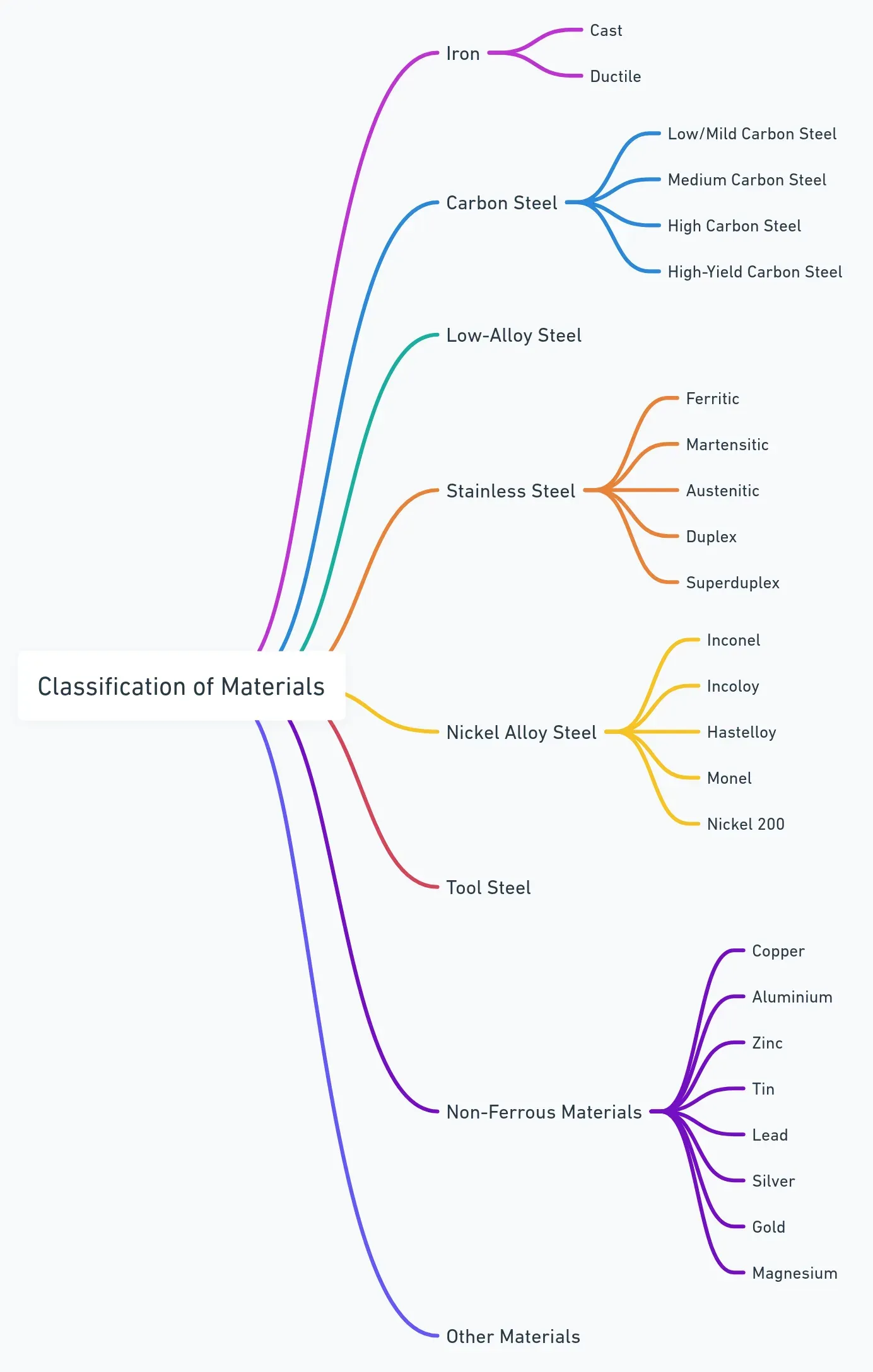 Classification of Materials (steel and non-ferrous)
Ferrous Materials
| Material | Corrosion Mechanism | Relative Resistance | Protection Required | Typical Applications |
|---|---|---|---|---|
| Gray cast iron | Graphite in microstructure provides some barrier; develops protective patina | Low-moderate | Coatings for aggressive environments | Water pipes, valve bodies, pump housings |
| Ductile iron | Similar to gray CI but better mechanical properties under stress | Low-moderate | Coatings, CP for buried service | Water mains, valve bodies, pipe fittings |
| Carbon steel | No protective oxide layer; corrodes readily in presence of O₂ + moisture | Low | Coatings, galvanizing, CP, or corrosion allowance | Most piping, structural steel, pressure vessels |
| Low-alloy steel | Cr/Mo/Ni form partial protective oxide; better than CS but not self-protecting | Moderate | Coatings; less aggressive than CS in atmospheric service | High-temperature piping (A335 Cr-Mo), weathering steel (Corten) |
| Austenitic SS (304, 316) | Cr forms passive chromium oxide layer; Mo (in 316) resists pitting | Good | Passivation after fabrication; no coating needed in most cases | Chemical processing, food & beverage, pharmaceutical, offshore |
| Ferritic SS (430) | Cr-based passive layer; no nickel | Moderate-good | - | Automotive, appliances, architectural |
| Martensitic SS (410, 420) | Heat-treatable but lower Cr; moderate corrosion resistance | Moderate | May need coatings in aggressive environments | Valve stems, pump shafts, cutlery |
| Duplex SS (2205) | ~22% Cr + 5% Ni + 3% Mo; dual-phase microstructure | Very good | - | Chemical, oil & gas, marine, heat exchangers |
| Super duplex (2507) | ~25% Cr + 7% Ni + 4% Mo | Excellent | - | Subsea, desalination, offshore platforms, sour service |
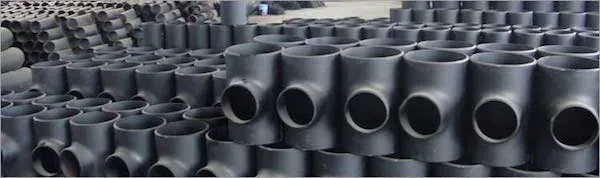 carbon steel fittings
Carbon steel corrodes by a straightforward electrochemical process: iron atoms lose electrons (anodic reaction), oxygen accepts them (cathodic reaction), and water acts as the electrolyte. The result is iron oxide (rust). The rate increases with temperature, salinity, acidity, and when carbon steel is in galvanic contact with a more noble metal.
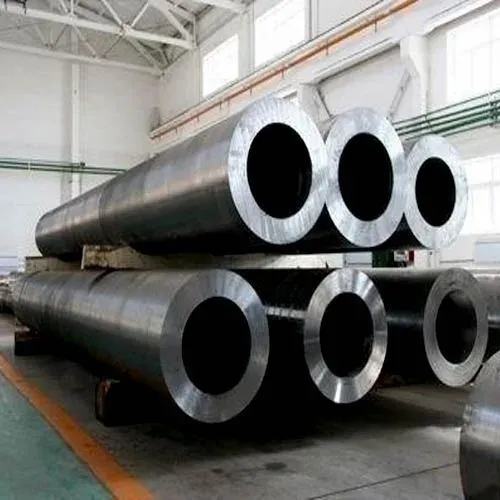 a335 pipe
Low-alloy steels (ASTM A335 grades P5, P9, P11, P22, P91) add Cr and Mo to improve high-temperature strength and provide some oxidation resistance, but they still require coatings or corrosion allowance in wet or aggressive environments. The key alloying effects: chromium forms a protective oxide layer, molybdenum resists pitting (especially chlorides), nickel stabilizes the microstructure.
 stainless steel flanges
Stainless steel gets its corrosion resistance from chromium (minimum 10.5%). The chromium forms a passive oxide layer that self-heals when scratched, but only if oxygen is present and the surface is clean. This is why passivation after fabrication matters so much: welding, grinding, and handling contaminate the surface with iron particles that disrupt the passive layer.
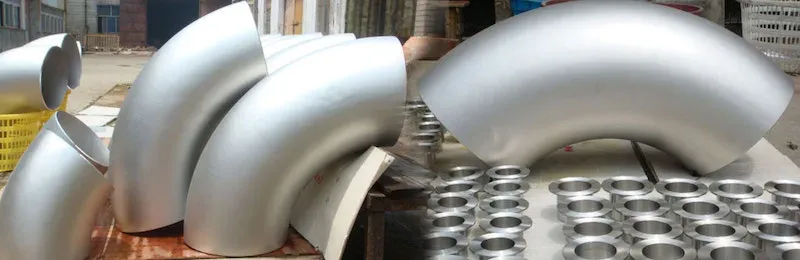 Duplex steel fittings
Duplex and super duplex steels combine austenitic and ferritic microstructures, roughly 50/50. This gives them about double the yield strength of austenitic grades with significantly better resistance to chloride stress corrosion cracking (SCC) and pitting. The PREN (Pitting Resistance Equivalent Number) is the standard metric: standard duplex 2205 has a PREN of ~35, super duplex 2507 reaches ~42. For comparison, 316L stainless steel has a PREN of ~25.
Welding duplex and super duplex requires careful heat input control to maintain the austenite/ferrite balance. Too much heat creates excessive ferrite, which hurts toughness and corrosion resistance.
Non-Ferrous Metals
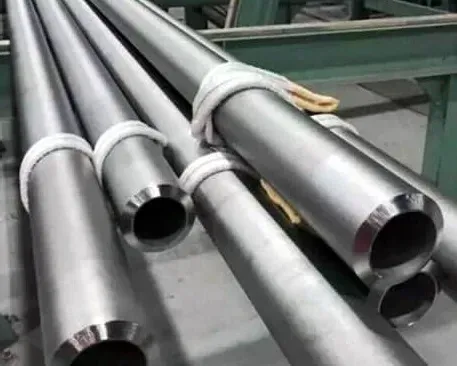 inconel pipes
| Material | Primary Resistance | Weakness | Typical Use |
|---|---|---|---|
| Monel (Ni-Cu) | Seawater, caustic alkalis, HF acid | Sulfur-containing gases at high temp | Marine, chemical processing, valves |
| Inconel (Ni-Cr) | High-temp oxidation, chloride SCC | Cost | Aerospace, nuclear, flue gas, fired heaters |
| Hastelloy C (Ni-Cr-Mo) | Both oxidizing and reducing acids, chlorides | Cost | Aggressive chemical processing, HCl, H₂SO₄ |
| Hastelloy B (Ni-Mo) | Reducing acids (HCl, H₂SO₄) | Oxidizing environments | Chemical reactors handling reducing acids |
| Incoloy (Ni-Fe-Cr) | High-temp oxidation, carburization, sulfidation | Less resistant than Inconel at extreme temps | Furnace tubes, heat exchangers |
| Pure Nickel 200/201 | Caustic alkalis (NaOH), atmospheric corrosion | Sulfur, oxidizing acids | Caustic soda production, food processing |
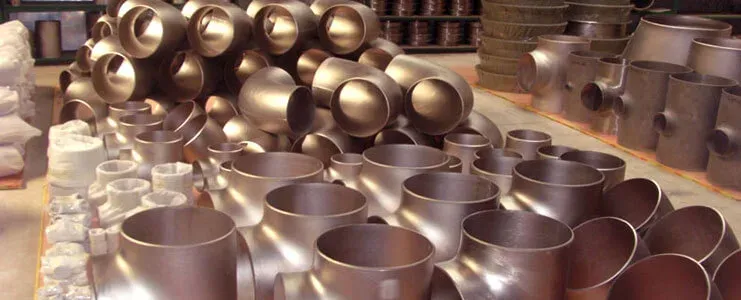 cupronickel fittings
Cupronickel (70Cu-30Ni or 90Cu-10Ni) deserves special mention for seawater systems. It forms a protective oxide film, resists chloride attack, and (uniquely among piping metals) resists biofouling (barnacles, algae). This makes it the standard material for seawater cooling piping, condenser tubes, and desalination plant components. The key maintenance requirement is controlling flow velocity: too slow allows deposit corrosion, too fast (above ~3 m/s for 90-10 CuNi) causes erosion-corrosion.
Exotic Metals
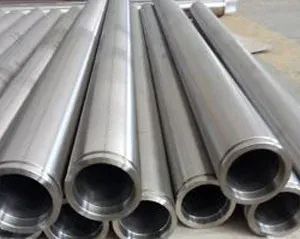 titanium pipes
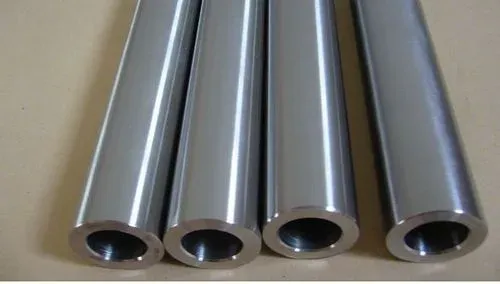
Titanium forms an extremely stable TiO₂ passive layer that resists seawater, chlorides, and most acids. It’s resistant to crevice corrosion, pitting, and SCC in environments where stainless steels fail. Grade 2 (commercially pure) handles most corrosion applications; Grade 5 (Ti-6Al-4V) adds strength for structural duty. Limitations: susceptible to hydrogen embrittlement, and very expensive.
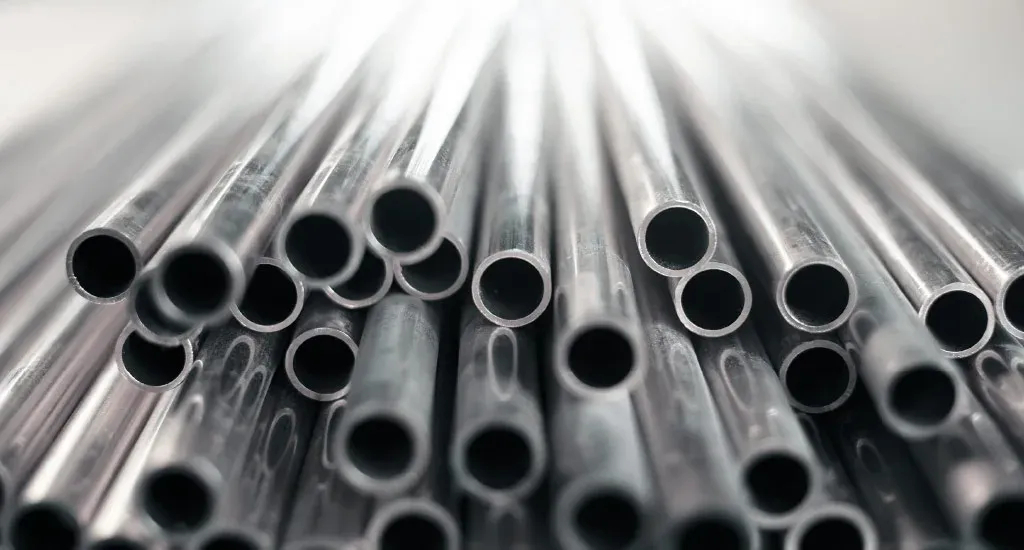 zirconium tubes
Zirconium excels against HCl, H₂SO₄, and organic acids at concentrations and temperatures that destroy most metals. It also has very low neutron absorption, making it the standard fuel cladding material in nuclear reactors. Limitation: fluoride ions attack the protective oxide layer. Very expensive and niche.
 tantalum pipes
Tantalum is one of the most corrosion-resistant metals available. It handles H₂SO₄, HCl, and HNO₃ at concentrations and temperatures that would destroy virtually any other material. The protective Ta₂O₅ oxide layer is extraordinarily stable. Limitations: not resistant to HF or strong alkalis, extremely expensive, and mechanically soft. Used for chemical reactor linings, heat exchangers, and medical implants where nothing else will survive.
Non-Metallic Materials
When metals can’t handle the corrosion environment (or aren’t cost-effective), non-metallic materials are the alternative:
| Material | Resistance | Limitation | Use |
|---|---|---|---|
| PVC | Acids, bases, salts, oxidants | Low temperature and pressure limits | Chemical piping, tanks, fittings |
| PE/PP | Broad chemical resistance | Limited temperature range | Tanks, liners, piping |
| PTFE/FEP/PFA | Nearly universal chemical resistance | Expensive; low mechanical strength | Seals, gaskets, linings for aggressive chemicals |
| FRP (fiberglass) | Good chemical resistance; high strength-to-weight | UV degradation; limited temperature | Piping, tanks, vessels |
| Ceramics | Extreme hardness and heat resistance | Brittle; expensive | Pump components, valve seats, coatings |
| Rubber/elastomer linings | Chemical resistance + flexibility | Temperature limits; wear | Tank linings, gaskets, expansion joints |
Cast vs. Forged Steel and Corrosion
The manufacturing process affects corrosion behavior through microstructure:
| Property | Cast Steel | Forged Steel |
|---|---|---|
| Microstructure | Heterogeneous; may contain porosity, inclusions, segregation | Uniform, fine grain from compressive working |
| Corrosion initiation | Inclusions and porosity act as initiation sites | Fewer initiation sites due to homogeneity |
| Surface finish | Rougher as-cast surface; may need machining | Better as-forged surface |
| Corrosion resistance | Depends on alloy + quality of casting + heat treatment | Generally better than equivalent cast grade |
Both cast and forged components get their corrosion resistance primarily from alloy composition, not from the manufacturing process itself. A well-made A351 CF8M casting (316 equivalent) and a forged A182 F316 fitting have similar corrosion performance. The difference shows up when casting quality is poor: porosity, shrinkage cavities, and inclusions create localized corrosion attack that wouldn’t occur in a sound forging.
Most Corrosive Fluids
 H2SO4 Suphuric Acid Corrosion
The fluids that cause the most damage to steel and alloys in industrial service:
| Category | Fluid | What It Attacks | Resistant Materials |
|---|---|---|---|
| Strong acids | H₂SO₄ (sulfuric acid) | Most metals, especially at high temp/concentration | Hastelloy B/C, zirconium, tantalum, PTFE-lined CS |
| HCl (hydrochloric acid) | Carbon steel, stainless steel, most alloys | Hastelloy B/C, zirconium, tantalum, rubber-lined CS | |
| HNO₃ (nitric acid) | Strong oxidizer; attacks SS at high concentration | High-Cr SS (304L/316L at moderate conc.), tantalum | |
| Strong bases | NaOH (caustic soda) | Aluminium, zinc; causes caustic SCC in CS | Nickel 200/201, Monel, CS (below ~80°C) |
| KOH (potassium hydroxide) | Similar to NaOH | Same as NaOH | |
| Halogens | Cl₂ (chlorine gas/liquid) | Most metals, especially wet chlorine | Titanium (wet Cl₂), Hastelloy C (dry Cl₂) |
| Br₂ (bromine) | Aggressively attacks most metals | Tantalum, PTFE | |
| Oxidizing agents | H₂O₂ (hydrogen peroxide) | Corrodes metals at high concentration | High-purity aluminium, passivated SS, PTFE |
| Organic acids | Acetic acid (concentrated) | Iron, magnesium, zinc, CS | 316L SS, Hastelloy, titanium |
| Salt solutions | Seawater | Carbon steel, aluminium, low-alloy steel | Cupronickel, super duplex, titanium |
Leave a Comment
Have a question or feedback? Send us a message.
Previous Comments
Nice information of corrosion.
If you have galvanised steel in your home, you may have noticed that when it is new, it appears pink or brown. This coating fades over time as the zinc is eaten away by exposure to air and moisture. Because of its durability and longevity when compared to other methods of applying coatings such as paint or enamel, galvanised steel is always the best choice for protecting steel.